The Print
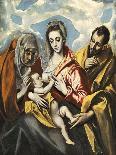
This giclée print delivers a vivid image with maximum color accuracy and exceptional resolution. The standard for museums and galleries around the world, giclée is a printing process where millions of ink droplets are “sprayed” onto high-quality paper. With the great degree of detail and smooth transitions of color gradients, giclée prints appear much more realistic than other reproduction prints. The high-quality paper (235 gsm) is acid free with a smooth surface.
- Paper Type:
- Giclee Print
- Finished Size:
- 12" x 9"
Arrives by Thu, May 16
Product ID: 16182868

Work by El Greco
View All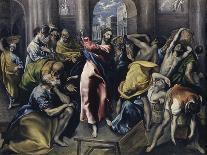

Related Categories
- Top
- Fine Art
- Fine Art by Nationality
- Spanish Art
- Mannerism
- Fine Art by Movement
- Fine Art by Era
- Fine Art by Artist
- Artists by Art Movement
- E
- Artists
- Art
- Subjects
- Specialty Products
- The Renaissance
- The Renaissance
- Bridgeman Art
- 16th Century Art
- Fine Art Views
- Fine Art Specialty Products
- Collections
- Specialty Prints
- Art Print Mediums
- Artists by Name
- Giclee Prints
- Specialty Art Print Mediums
- El Greco
- Fine Art (Giclee Prints)
- Giclee Prints by Style
- Other Collections
- Fine Art Collections
- Featured Bridgeman Collections
- Fine Art and Museum Bridgeman
- Business Collection: Classical
- Business Collection: Government
- Business Collection
- Business Collection by Syle
- Business Collection by Industry