Figurative Art
Think reality delights? You bet your walls do too. So, why not introduce them to our collection of figurative art. Make acquaintance with inspiring muses of famous masters or get a glimpse of pop culture icons caught on camera. Any masterpieces you choose will give your space a unique story to share in our handcrafted frames.
This genre of art involves a realistic depiction of living as well as inanimate objects. Artists like Jean Michel Basquiat, Norman Rockwell, and Banksy are renowned for giving a platform to cultural commentary and human experiences through their art.

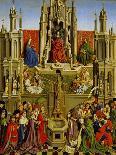
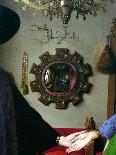
Work by Jan van Eyck
View All







Related Categories
- Top
- Fine Art
- Portraits of Artists (Fine Art)
- Museum Tours
- National Gallery (London)
- Portraits (Fine Art)
- Fine Art by Artist
- J
- Artists
- Art
- Subjects
- Specialty Products
- Museums of England
- Museums of Europe
- Fine Art Views
- Fine Art Subjects
- Men (Fine Art)
- Fine Art Specialty Products
- Fine Art Collections
- Figurative
- Figurative (Fine Art)
- Figurative by Person
- Men
- Collections
- Specialty Prints
- Art Print Mediums
- Artists by Name
- Giclee Prints
- Specialty Art Print Mediums
- Art Resources Images
- Fine Art (Giclee Prints)
- Giclee Prints by Style
- Figurative by Person (Fine Art)
- Figurative by Type (Fine Art)
- Portraits of Men (Fine Art)
- Portraits
- Other Collections
- Fine Art Collections
- Jan van Eyck
- $69 Canvas